N-Two Medical Inc. is a Health Canada licensed distributor of Medical Grade Liquid Nitrogen. Established in 2010.
We specialize in the delivery of Medical Grade Liquid Nitrogen to licensed doctors, dermatologists, dentists, veterinarians, hospitals, medical facilities, and clinics across Ontario.
We are your number one choice for medical grade Liquid Nitrogen.
Liquid Nitrogen is
Good for Medicine
Beneficial Qualities of Liquid Nitrogen
Liquid nitrogen, with its unique set of properties, has found numerous applications in medicine. One key quality is its extremely low temperature. It can reach temperatures as low as -196 degrees Celsius (-321 degrees Fahrenheit), which makes it ideal for many medical procedures that require extreme cooling.
Another important quality of liquid nitrogen is that it is non-toxic. It does not pose any significant health risks when used properly in medical settings. This makes it a safe option for healthcare professionals to administer and handle.
Liquid nitrogen is not only non-toxic, it possesses other useful qualities. It is inert, and does not react with other substances, eliminating unwelcome reactions or side effects during medical procedures. Moreover, it is colourless, odourless, non-corrosive, and nonflammable, making it a highly versatile substance that can be used safely in a multitude of medical applications.
Comparatively low cost and readily available, liquid nitrogen is an economical treatment choice. Lastly, it is easily administered by healthcare professionals in a regular clinic or doctor's office. It can be delivered through specialized devices such as cryospray guns or cryoprobes with precision and control over the application area.
Liquid nitrogen is an excellent option for different medical procedures where extreme cooling or freezing is necessary, especially where precision is desired. It is extremely cold, non-toxic, inert, colorless, odorless, non-corrosive, and nonflammable. Moreover, it is cost-effective and easy to administer, ensuring patient safety and efficient care.
Medical Uses of Liquid Nitrogen
Liquid nitrogen has many medical applications. Cryotherapy, precision removal by freezing abnormal tissues like warts, skin tags, and precancerous lesions is a treatment that many are familiar with. Procedures such as these are minimally invasive, quick, and with low risk of later complications. Similarly, it can be used in surgery for the targeted removal of cells, such as in bone or cervical cancer.

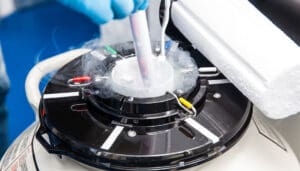
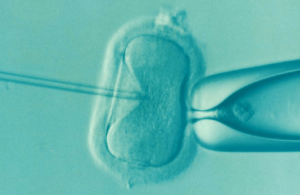
Additionally, super-cold nitrogen plays a vital role in preserving biological materials like blood samples, sperm cells, and embryos for future use. A specialized canister with multiple walls to maintain low temperatures, called a Dewar, is filled with liquid nitrogen to preserve biological material for short-term transportation as well as long-term preservation. The versatility of liquid nitrogen makes it an invaluable tool in various medical procedures and research endeavours.
Becoming popular in the wellness industry is the spa use of liquid nitrogen chambers. These are unlike medical applications that use liquid nitrogen for precisely localized effects. Immersive chambers aim for systemic benefits.
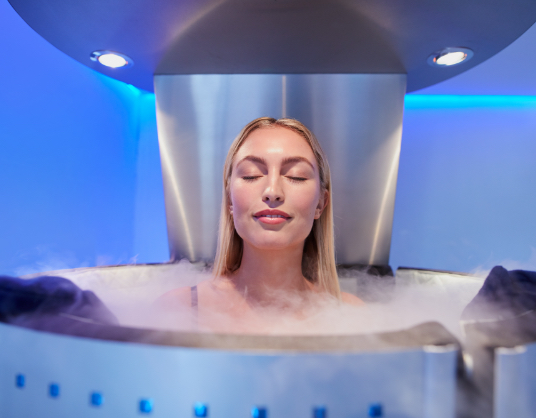
A chamber surrounds the whole body, or the body up to the neck and shoulders. Liquid nitrogen vapour released into the chamber can bring the temperature below -85°C for a treatment lasting a few minutes. Used in wellness spas, cold chamber therapy is believed to improve circulation, reduce inflammation, pain and speed recovery from injury. Some claims include help with weight loss, better sleep, reductions in anxiety and depression.
However, more research is required to establish its efficacy and safety. This kind of cryotherapy has not yet received the approval of Health Canada or the FDA as a medical treatment.
Liquid nitrogen is an excellent option for medical procedures where rapid, extreme cooling or freezing is necessary, especially where precision is desired. It is extremely cold, non-toxic, inert, colourless, odourless, non-corrosive, and nonflammable. Moreover, it is cost-effective and easy to administer, ensuring patient safety and efficient care. Research continues to expand its use.
Veterinary Uses of Liquid Nitrogen
Many veterinary applications of liquid nitrogen are similar to human applications. Just like in human medicine, cryotherapy and cryopreservation are widely used. There are also uses unique to veterinary medicine and livestock management.
Freeze branding with liquid nitrogen may be better for herd management. Freeze branding has numerous advantages over traditional branding methods that use heated irons. It improves identification, especially from a distance, by creating a more visible brand on dark-coated animals. Some freeze branding techniques are faster and less uncomfortable for animals, and they can make processing large herds more efficient. Freeze brands should lighten the coat, without impacting deeper skin layers. After the procedure, there is less inflammation and pain, faster recovery, and reduced risk of complications such as bleeding.


Dehorning is the practice of removing horns from livestock, because herds without horns are safer (for both humans and the herd). However, dehorning is a very intrusive procedure that is distressing for the animal and may require a long recovery.
Using liquid nitrogen to debud lambs, calves, and kids at an early age is believed to be more humane. As in other cryotherapy procedures, liquid nitrogen is used to destroy the cells precisely. Here specific cells are destroyed before they start to bud into horns. There can be a lower risk of complications and a shorter recovery time with less aftercare required.
Liquid Nitrogen can transform your practice.
© 2023. N-two Medical Inc.
50 Penn Dr, Toronto, ON M9L 2A9